


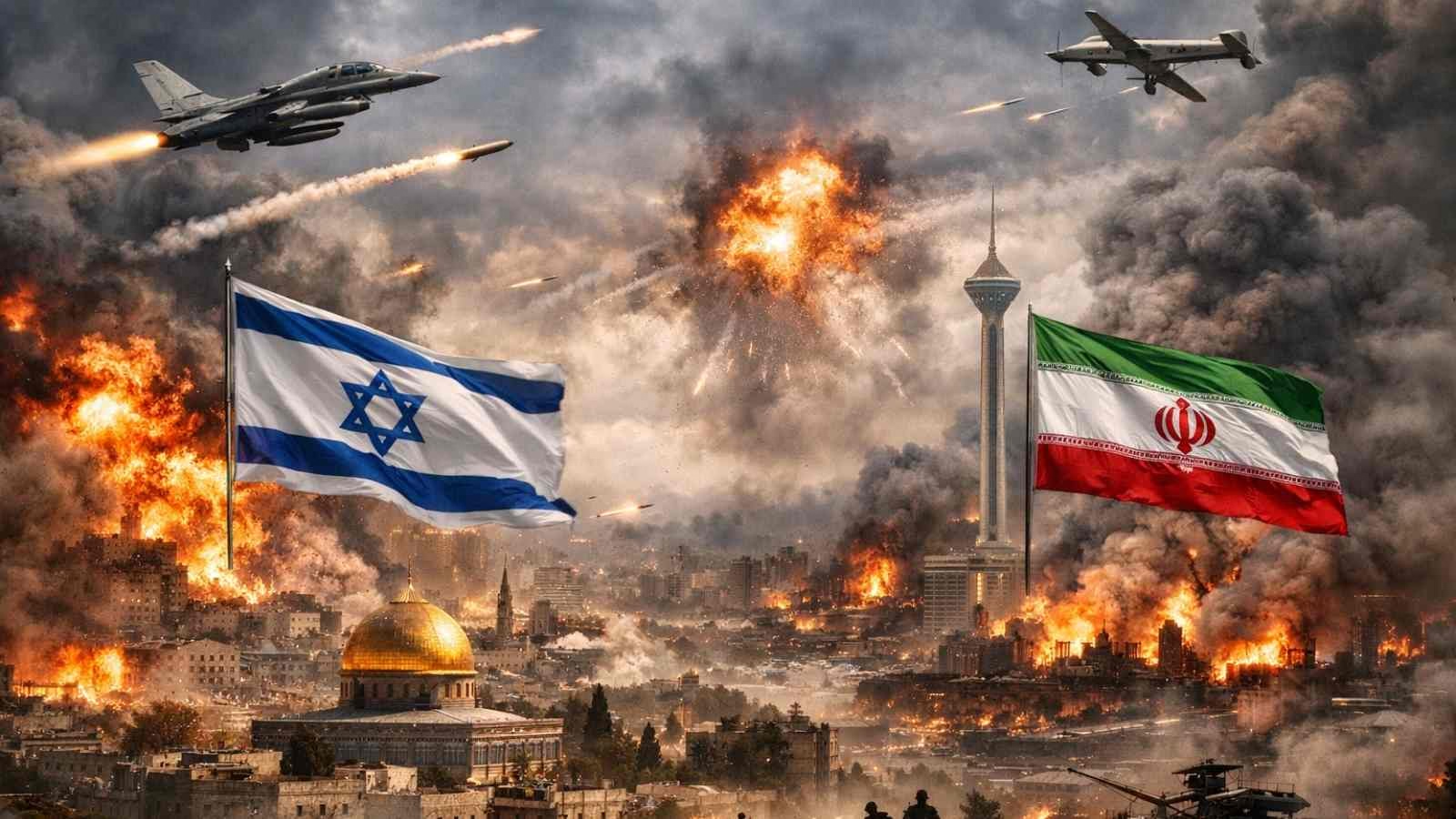
Israel and Iran Conflict Escalates as Airstrikes and Retaliation Spread Across the Middle East
March 8, 2026
The conflict between Israel and Iran has intensified dramatically, with widespread airstrikes, missile attacks, and rising casualties across the Middle East. The war, which began in late February 2026, has drawn in regional actors and threatens to destabilise the broader region.
Background of the Israel–Iran Conflict
The current war began on February 28, 2026, when Israel, reportedly with support from the United States, launched large-scale airstrikes on Iranian military targets. The operation targeted missile bases, air defences, and other strategic infrastructure linked to Iran’s military capabilities.
These attacks were part of a broader effort by Israel and its allies to limit Iran’s missile program and regional influence, which Israel has long described as a direct threat to its national security.
Iran responded with a barrage of missiles and drones aimed at Israeli territory as well as U.S. military sites in the region. military targets in the region, and allied military installations across the Middle East, rapidly escalating the situation into a full-scale regional confrontation.
LATEST NEWS ———- >>> Israeli Settler Attack in West Bank
Intensifying Airstrikes and Damage
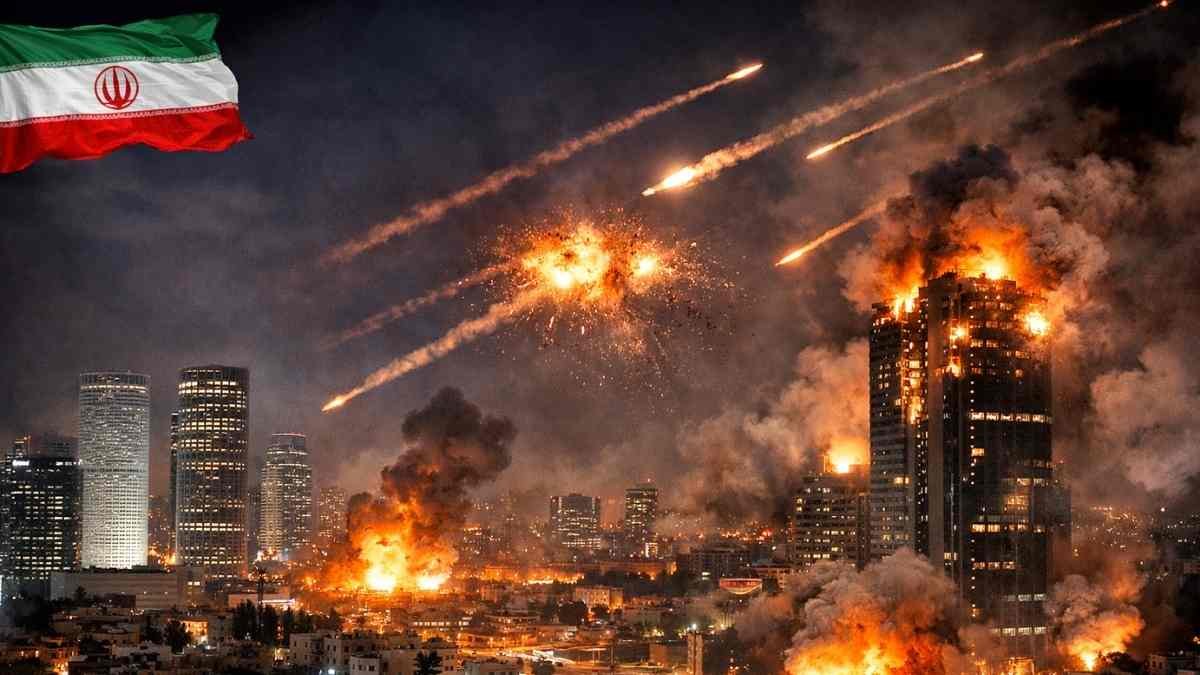
Recent reports indicate that Israeli forces have expanded their strikes to include oil storage and industrial infrastructure in Tehran, causing large fires and disrupting parts of Iran’s energy network.
According to the Associated Press, Israel also targeted fuel depots and military assets while expanding attacks to Lebanon. Iran retaliated by striking infrastructure in Bahrain and threatening further attacks on U.S. facilities in the region.
War monitoring groups report that the early days of the campaign involved an unprecedented pace of airstrikes, hitting a large number of targets across Iran.
Rising Casualties and Regional Impact
The human cost of the conflict is mounting. Reports suggest that more than 1,200 people in Iran, over 300 in Lebanon, and at least a dozen in Israel have been killed since the war began.
The conflict has also expanded beyond the two countries. Missile alerts and explosions have been reported in several Gulf states, while attacks on desalination plants and energy facilities have raised fears of water and energy shortages in the region.
Growing Risk of Wider War
Analysts warn that the conflict could expand further as Iran-aligned groups, including Hezbollah in Lebanon, join the fighting. The involvement of multiple regional actors and the United States has increased concerns about a prolonged Middle East war.
International leaders have urged restraint, with China and other governments calling for an immediate halt to military operations to prevent a broader regional crisis.
Conclusion
The Israel–Iran war marks one of the most serious escalations in the Middle East in decades. As airstrikes and retaliatory attacks continue, diplomatic efforts to contain the conflict remain uncertain, and the possibility of further regional escalation remains high.
News Sources
-
Associated Press – Israel hits Lebanon and Tehran oil depot: https://apnews.com/article/d086d66e54280838c925b65067858afb
-
Al Jazeera – Iran war updates: https://www.aljazeera.com/news/2026/3/7/iran-war-what-is-happening-on-day-eight-of-us-israel-attacks
-
The Guardian – Seven questions about the Iran war: https://www.theguardian.com/world/2026/mar/07/seven-questions-about-iran-war
- Breaking Middle East News
- Global Security News
- Hezbollah Israel Tensions
- International Conflict News
- Iran Israel Escalation
- Iran Israel Latest Updates
- Iran Israel Tensions
- Iran Military Response
- Iran Missile Attacks
- Israel Airstrikes Iran
- Israel Defense Forces
- Israel Iran War 2026
- Israel Iran War News
- Israel–Iran Conflict
- Middle East conflict
- Middle East Geopolitics
- Middle East War 2026
- Regional security crisis
- Tehran Airstrikes
- US Israel Iran Conflict









Leave a comment