


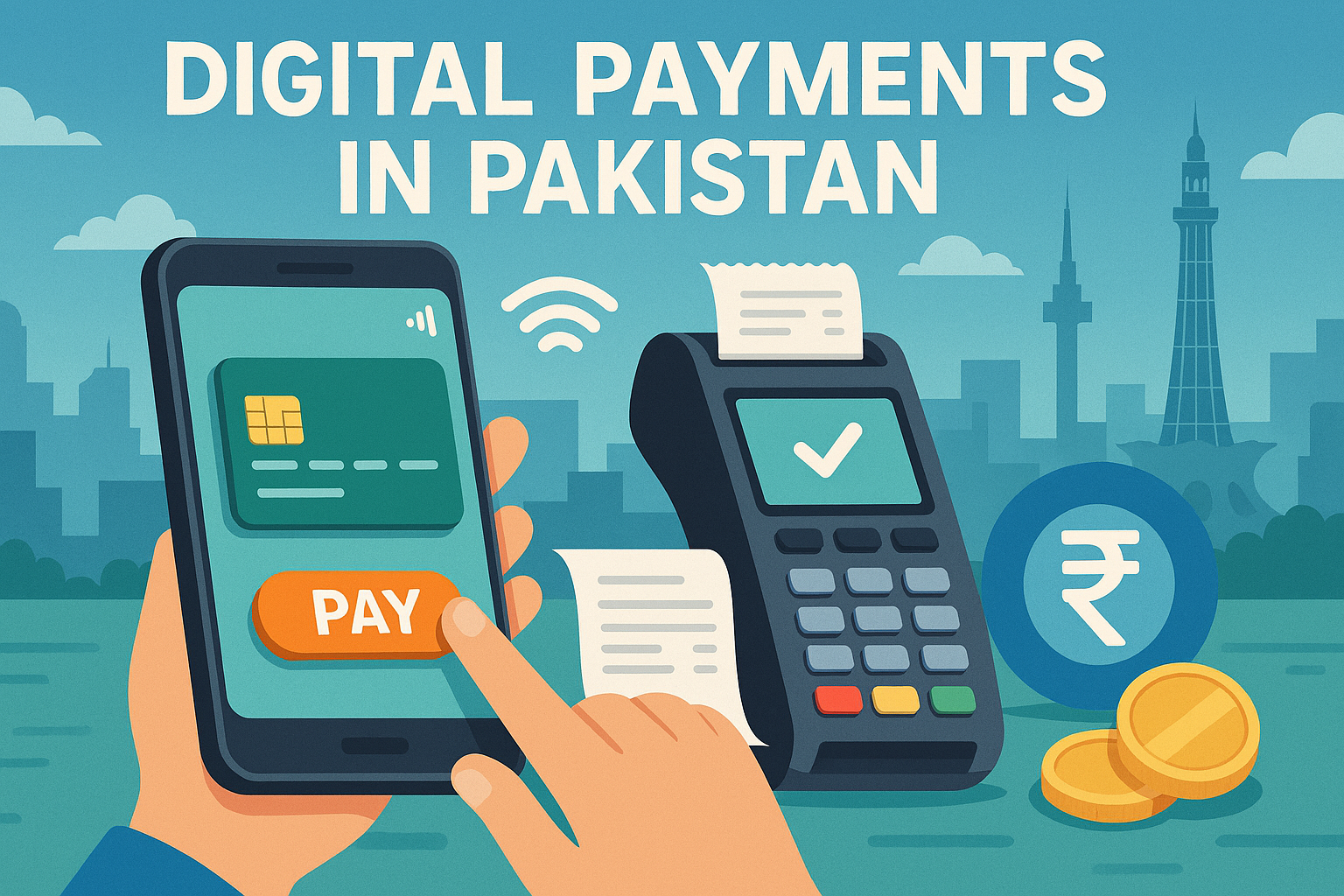
Digital Payments in Pakistan 2026: Growth, Challenges, and Future Opportunities
Introduction
Digital payments in Pakistan are rapidly transforming the country’s financial landscape in 2026. With the rise of mobile wallets, fintech startups, and online banking solutions, Pakistan is steadily moving toward a more cashless economy.
Pakistan is experiencing a major transformation in its financial ecosystem as digital payments continue to grow rapidly in 2026. From mobile wallets to QR code transactions and branchless banking, the country is steadily moving toward a cashless economy. Government initiatives, fintech startups, and increasing smartphone penetration are all playing a key role in reshaping how people send, receive, and manage money.
This shift is not just about convenience. It represents a structural change in the economy that could improve financial inclusion, transparency, and business efficiency across Pakistan.
The Rise of Mobile Wallets in Pakistan
Over the past few years, mobile wallet services have expanded significantly. Millions of Pakistanis now use digital apps for:
-
Sending money to family members
-
Paying utility bills
-
Online shopping
-
Mobile top-ups
-
Receiving salaries
The ease of opening a digital account using a CNIC and mobile number has allowed even people in rural areas to access financial services.
Digital wallets are particularly important in areas where traditional banks have limited presence. This has reduced dependency on physical bank branches and increased financial participation.
Government Initiatives Supporting Digital Payments
The government and central bank have taken several steps to encourage digital transactions:
1. Raast Instant Payment System
The introduction of instant transfer systems has made it easier to send money between banks without delays or high charges.
2. Digital Pakistan Vision
The national digital transformation policy focuses on fintech innovation, cybersecurity, and e-commerce growth.
3. Incentives for Merchants
Small businesses are being encouraged to adopt QR payments and POS machines to reduce cash handling.
These measures aim to formalize the economy and reduce undocumented cash circulation.
Growth of E-Commerce and Online Businesses
Digital payments have directly boosted Pakistan’s e-commerce sector. Online marketplaces, food delivery services, and freelance platforms now rely heavily on digital transactions.
More consumers feel comfortable making online purchases because:
-
Payments are instant
-
Transaction records are available
-
Refund systems are improving
-
Fraud detection mechanisms are stronger
Freelancers and small entrepreneurs especially benefit from faster access to funds.
Impact on Small Businesses
Small and medium enterprises (SMEs) are among the biggest beneficiaries of digital finance growth.
Improved Record Keeping
Digital payments automatically create transaction histories, helping businesses manage accounts more efficiently.
Increased Customer Trust
Customers are more likely to purchase from businesses offering secure digital payment options.
Access to Micro-Financing
Fintech companies now use digital transaction data to evaluate creditworthiness, making it easier for small businesses to obtain loans.
This shift is helping reduce financial exclusion and encouraging entrepreneurship.
Challenges Facing Digital Payments in Pakistan
Despite rapid growth, several challenges remain.
1. Cybersecurity Risks
As digital transactions increase, cybercrime and online fraud cases also rise. Stronger security awareness and regulations are needed.
2. Digital Literacy Gap
Many people still lack an understanding of how to use mobile banking apps safely.
3. Internet Accessibility
Rural connectivity issues limit adoption in some regions.
4. Trust Issues
Some users remain skeptical about storing money digitally due to fear of hacking or scams.
Addressing these challenges is crucial for sustainable growth.
The Role of Fintech Startups
Pakistan’s fintech ecosystem has grown significantly in recent years. New startups are offering:
-
Digital lending platforms
-
Buy-now-pay-later services
-
Investment apps
-
Cross-border payment solutions
These innovations are increasing competition and improving service quality.
International investors have also shown interest in Pakistan’s fintech sector, seeing it as an emerging market with high growth potential.
Social and Economic Impact
Digital payments are doing more than just replacing cash.
Financial Inclusion
Millions of previously unbanked individuals now have access to financial tools.
Women Empowerment
Women entrepreneurs can now run online businesses and receive payments directly.
Transparency
Digital transactions create records, which help reduce corruption and tax evasion.
Economic Documentation
A documented economy allows better policy-making and economic planning.
Future Outlook: Toward a Cashless Pakistan?
Experts believe that Pakistan is still in the early stages of its digital finance journey. However, the momentum suggests strong future growth.
In the coming years, we may see:
-
Wider QR payment adoption in local markets
-
Integration of digital IDs with banking
-
Expansion of contactless payments
-
Stronger cybersecurity regulations
-
Increased use of artificial intelligence in fraud detection
If infrastructure and awareness continue to improve, Pakistan could significantly reduce its dependence on cash within the next decade.
Conclusion
Pakistan’s digital payment revolution represents a transformative shift in the country’s financial landscape. While challenges such as cybersecurity risks and digital literacy gaps remain, the overall direction is positive. Mobile wallets, fintech innovation, and supportive government policies are driving greater financial inclusion and economic efficiency.
As technology adoption continues to rise, digital payments are likely to become a central pillar of Pakistan’s modern economy. The success of this transition will depend on maintaining user trust, strengthening regulations, and ensuring equal access across urban and rural communities.















Leave a comment