


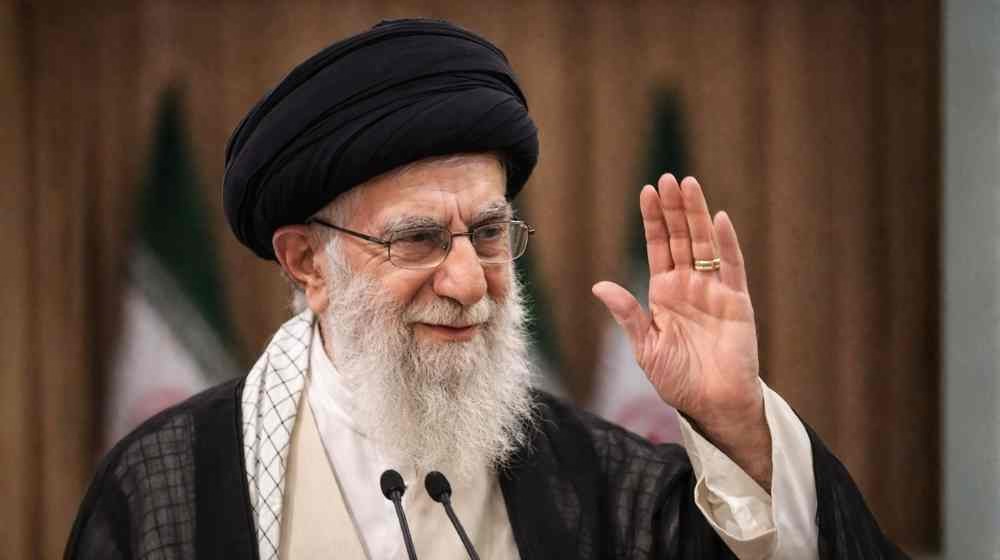
Biography of Ayatollah Ali Khamenei
Supreme Leader of the Islamic Republic of Iran (1989–2026)
1. Early Life and Family Background (1939–1957)
Seyyed Ali Hosseini Khamenei was born on 19 April 1939 in Mashhad, Iran, one of Shi’a Islam’s holiest cities. He came from a religious but financially modest clerical family.
-
Father: Seyyed Javad Khamenei — an Islamic scholar originally connected to Najaf’s religious circles.
-
Mother: Khadijeh Mirdamadi — from a respected religious family.
-
He was the second of eight children.
His family lived simply in a small home near the Imam Reza shrine, shaping his austere lifestyle and religious worldview.
Education
-
Began Qur’anic education at age four.
-
Studied in Islamic seminaries (hawza) in Mashhad, later Qom, Iran’s main center of Shi’a scholarship.
-
Studied under prominent clerics including Ayatollah Ruhollah Khomeini, who later became his political mentor.
During youth, Khamenei was influenced by Islamic political thought and anti-imperialist ideas circulating among intellectual circles.
2. Political Awakening and Opposition to the Shah (1957–1979)
In the 1960s–70s, Iran was ruled by Shah Mohammad Reza Pahlavi, whose Western-aligned monarchy faced growing religious opposition.
Khamenei became active in underground revolutionary activities:
-
Spread sermons and writings supporting Ayatollah Khomeini.
-
Arrested multiple times by the Shah’s secret police (SAVAK).
-
Experienced imprisonment and exile for political activism.
He helped organize clerical networks opposing secular rule and promoting Islamic governance.
3. Role in the Iranian Revolution (1979)
The 1979 Iranian Revolution overthrew the monarchy and created the Islamic Republic of Iran under Ayatollah Khomeini.
After the revolution:
-
Khamenei became a trusted revolutionary cleric.
-
Appointed Tehran Friday Prayer Imam, giving him nationwide influence.
-
Helped form the Islamic Republic Party, a dominant political organization.
He quickly entered Iran’s new political elite.
4. Rise to National Leadership (1980–1989)
Parliament and Early Government Roles
-
Member of Parliament (1980–1981).
-
Senior figure within revolutionary institutions.
Assassination Attempt (1981)
In June 1981, a bomb hidden in a tape recorder exploded during a press conference:
-
He survived but suffered permanent injury to his right arm and voice.
President of Iran (1981–1989)
Khamenei became Iran’s third president during the Iran-Iraq War.
Key features of his presidency:
-
Close cooperation with Supreme Leader Khomeini.
-
Oversaw wartime mobilization.
-
Supported revolutionary ideology and centralized authority.
Despite holding the presidency, ultimate power remained with Khomeini.
5. Becoming Supreme Leader (1989)
When Ayatollah Ruhollah Khomeini died in June 1989, Iran faced a succession crisis.
Although not the most senior cleric, Khamenei was chosen by the Assembly of Experts as the second Supreme Leader of Iran.
To enable his appointment:
-
Constitutional changes strengthened the political authority of the Supreme Leader.
-
Religious qualification requirements were adjusted.
Initially viewed as a compromise figure, he gradually consolidated power.
6. Consolidation of Power (1990s–2000s)
As Supreme Leader, Khamenei became:
-
Commander-in-chief of armed forces
-
Final authority over judiciary, media, and foreign policy
-
Highest religious and political authority in Iran
Strengthening the System
He expanded the influence of:
-
Islamic Revolutionary Guard Corps (IRGC)
-
Security institutions
-
Clerical oversight bodies
Domestic Challenges
Major protests during his rule:
-
1999 student protests
-
Reformist political movements
-
Rising generational dissatisfaction
He consistently prioritized regime stability over liberal reforms.
7. Foreign Policy and Nuclear Era (2000s–2010s)
Khamenei shaped Iran’s long-term strategic direction:
Anti-Western Position
-
Strong opposition to U.S. and Israeli policies.
-
Promoted resistance to Western influence.
Nuclear Program
-
Supported development of nuclear technology.
-
Approved negotiations leading to the 2015 nuclear agreement (JCPOA).
-
Relations worsened after U.S. withdrawal in 2018.
Regional Influence
Iran expanded alliances and proxy networks across:
-
Iraq
-
Syria
-
Lebanon
-
Yemen
This became known as the “Axis of Resistance.”
8. Domestic Unrest and Final Years (2019–2026)
His later years were marked by economic crisis, sanctions, and protests.
Major Uprisings
-
2009 Green Movement
-
Economic protests (2017–2019)
-
2022 “Woman, Life, Freedom” protests after Mahsa Amini’s death
Security forces conducted harsh crackdowns, drawing international criticism.
Iran faced:
-
Severe inflation
-
International isolation
-
Growing youth opposition
9. Death (2026)
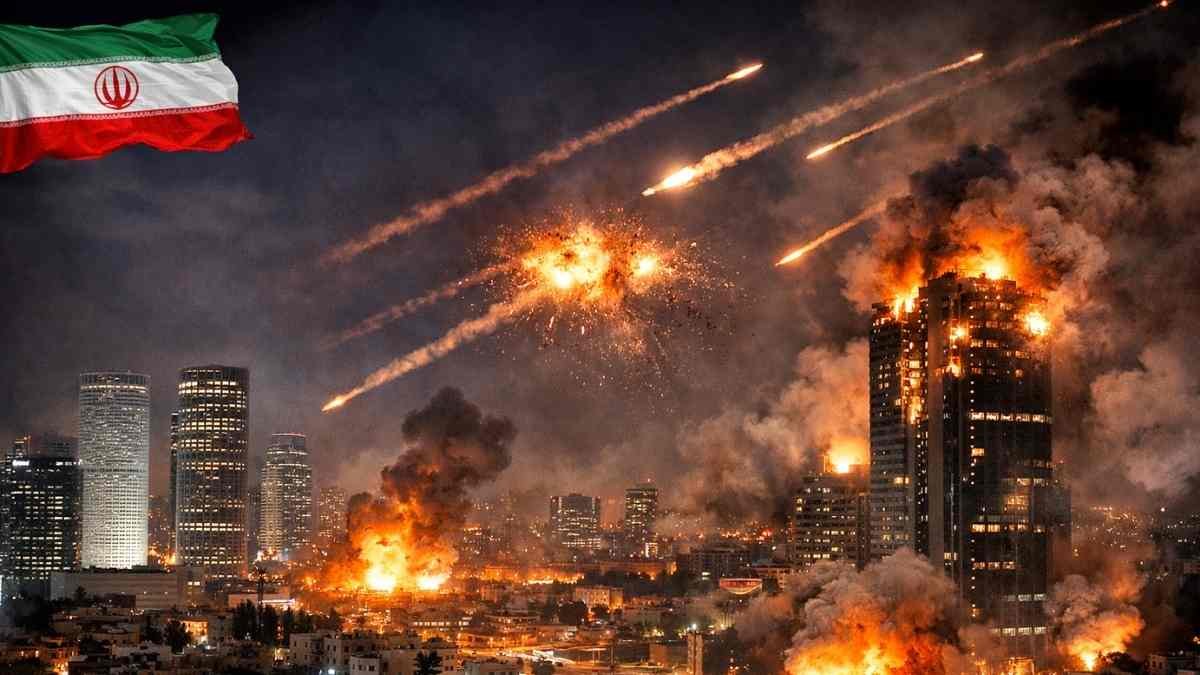
Ayatollah Ali Khamenei died on 28 February 2026 at age 86 during a joint U.S.–Israeli military strike targeting his compound in Tehran, according to international news reports and Iranian state media.
-
He had ruled Iran for 36 years, one of the longest leadership tenures in modern Middle Eastern history.
-
Iran declared national mourning.
-
His death triggered uncertainty over succession and the future direction of the Islamic Republic.
10. Personal Life
-
Married Khojasteh Bagherzadeh (1964).
-
Father of six children.
-
Known interests:
-
Persian poetry
-
Literature
-
Religious scholarship.
-
He maintained a relatively austere public lifestyle compared with many political leaders.
11. Legacy and Historical Assessment
Khamenei remains one of the most consequential figures in modern Middle Eastern history.
Supporters credit him with:
-
Preserving the Islamic Republic after Khomeini.
-
Expanding Iran’s regional power.
-
Maintaining independence from Western influence.
Critics argue he:
-
Oversaw authoritarian governance.
-
Suppressed dissent and political freedoms.
-
Deepened economic isolation and conflict.
Historians widely agree he transformed Iran from a revolutionary state into a highly centralized ideological system dominated by security institutions.
Timeline Summary
| Year | Event |
|---|---|
| 1939 | Born in Mashhad |
| 1960s–70s | Anti-Shah activism |
| 1979 | Iranian Revolution |
| 1981–1989 | President of Iran |
| 1989 | Became Supreme Leader |
| 2009 | Green Movement protests |
| 2015 | Nuclear deal period |
| 2022 | Nationwide protests |
| 2026 | Died at age 86 |









Leave a comment