
Russia Blocks WhatsApp in Major Tech Crackdown, Urges Citizens to Switch to State App Max
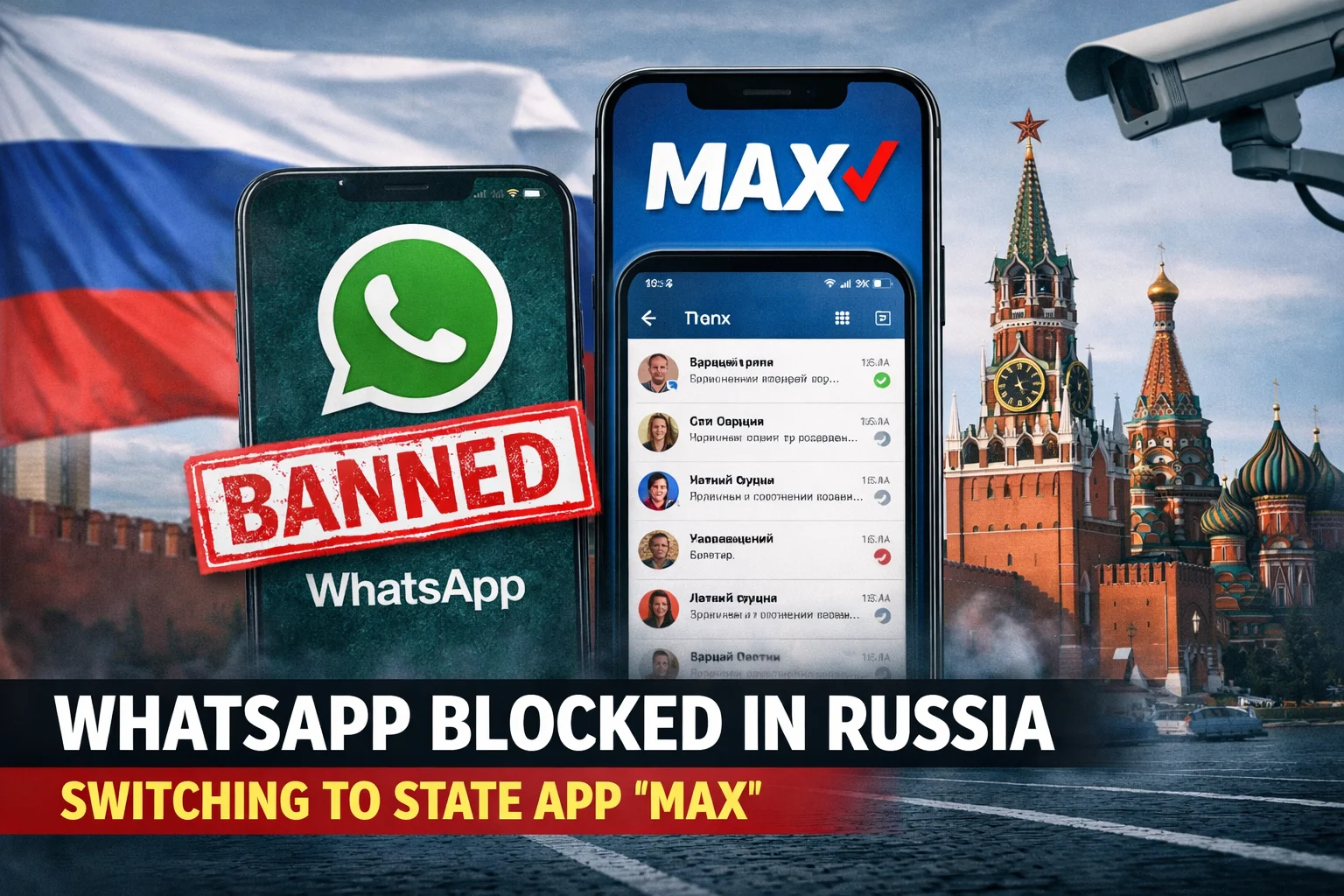
WhatsApp has been officially blocked across Russia, marking one of the country’s most significant restrictions on foreign digital platforms in recent years. The messaging service, owned by Meta, has been removed from Russia’s national online registry, effectively preventing users from accessing the app through the domestic internet infrastructure.
Over 100 Million Users Affected
Estimates suggest that more than 100 million people in Russia rely on WhatsApp for daily communication. The shutdown follows earlier warnings from Russian officials that the platform could face restrictions in 2025.
In July 2025, a member of the Russian parliament responsible for IT oversight signaled that WhatsApp was likely to be added to the country’s list of prohibited services. The latest action confirms those predictions.
Government Promotes State-Backed App ‘Max’
Max
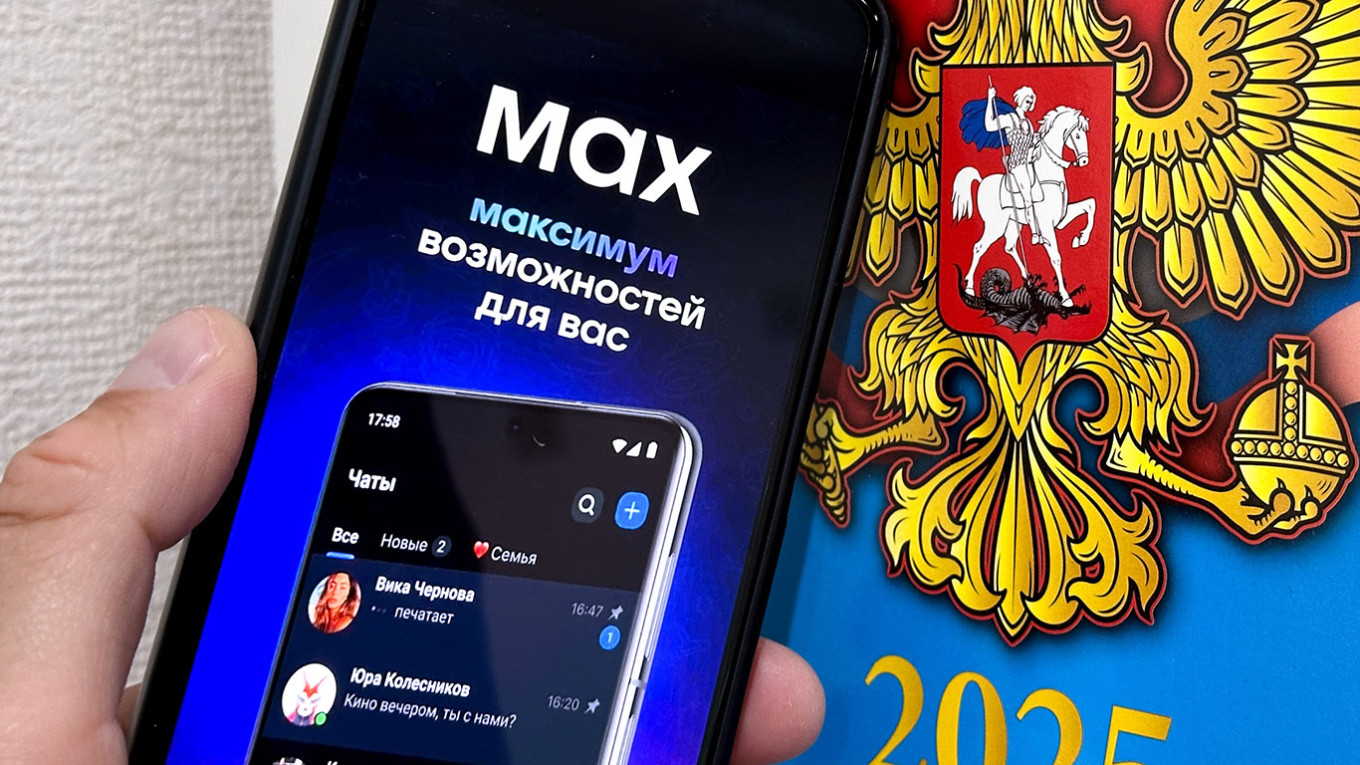
Russian authorities are encouraging citizens to transition to Max, a domestically developed messaging application described as having features similar to China’s WeChat.
However, unlike WhatsApp, Max does not offer end-to-end encryption, raising concerns among digital rights advocates about user privacy and data security.
Meta responded to the move by stating that Russian officials are attempting to eliminate access to secure messaging in favor of what it characterized as a government-controlled surveillance platform. According to the company, the decision could significantly reduce privacy protections for millions of users.
Telegram and Other Platforms Also Removed
Telegram
On February 11, Russian authorities also removed Telegram from the national online directory. Access to Meta’s other platforms — Facebook and Instagram — remains restricted inside the country.
Meta has previously been designated as an extremist organization under Russian law, further limiting its operations and services within the country.
Reports also suggest that YouTube may have been banned, though it remains unclear whether it has been fully removed from official digital registries.
Broader Push Against Foreign Communication Apps
The Russian president has instructed government agencies to strengthen regulatory measures against foreign communication platforms throughout 2025. The directive signals a broader strategy aimed at consolidating control over digital communications and promoting domestically developed alternatives.
The ban on WhatsApp represents a major shift in Russia’s online landscape, potentially reshaping how millions of citizens connect, share information, and communicate in the years ahead.
Leave a comment